Ever walked into your bedroom and felt like the clutter was weighing you down? It isn’t just stuff piling up—sometimes, it’s the stress that sneaks in with every pair of socks on the floor or dusty nightstand by your bed. You might ignore it for weeks, but deep down, you can sense how much it drains your energy.
Life gets busy, and it’s easy for our most personal space to become the catch-all for everything—laundry, unread books, memories you’re not ready to face. The result? Sleep doesn’t come as easy, your morning rush feels messier, and finding simple things (like your favorite shirt) becomes its own daily challenge. Let’s be honest: an untidy bedroom quietly chips away at your peace of mind.
By the time you finish, you’ll have a spring cleaning bedroom checklist that transforms your space—step by step—into the restful sanctuary you crave. Ready for your fresh start? Your bedroom’s about to feel entirely new.
Why Spring Cleaning Your Bedroom Matters
Ever think a messy bedroom is ‘just a phase’? The truth is, even the smallest amount of clutter can quietly chip away at your mood and focus—without you noticing. Bedroom environments have a measurable impact on sleep quality, stress levels, and even productivity, according to the National Sleep Foundation. When dust, old clothes, or untouched surfaces pile up, your mind never fully rests. Sleep feels lighter. Waking up is harder.
Picture this scenario: it’s been weeks since you last vacuumed under the bed or wiped down your dresser. That constant little tickle in your nose? Often, it’s airborne dust or pet hair, not just allergies. Spring is the perfect nudge—you get longer daylight, natural motivation, and the opportunity for a total room reset that’s impossible in winter gloom.
💡 Pro Tip: Cleaning the bedroom in spring also helps break the cycle of seasonal allergies by removing pollen, dust mites, and other unseen irritants before they build up. The Asthma and Allergy Foundation of America confirms that reducing bedroom allergens leads to noticeably better sleep and fewer morning sniffles.
But it’s not just about the science, is it? There’s an emotional boost, too. Just the act of deep cleaning can trigger the brain’s reward circuitry, making you feel accomplished—and oddly, a little lighter.
- Fresh Air: Opening your windows clears stale air and instantly reduces indoor pollutants.
- Organized Spaces: Clean dressers and floors decrease overwhelming choices, making mornings calmer.
- Better Focus: A clutter-free room helps your brain focus on winding down, not worrying about unfinished chores.
In practice: Imagine walking into your bedroom after a thorough spring clean. Sunlight streams in onto crisp, freshly-laundered sheets. You notice your breathing is easier and your mind feels less scattered. That’s the real power of resetting your sleeping space—a combination of science and self-care.
| Impact | Why It Matters | Science Says |
|---|---|---|
| Lower Dust & Allergens | Fewer sniffles and allergies | Reduces triggers, says AAFA |
| Better Sleep | Deeper rest, easier wake-up | Clutter disrupts sleep cycles (NSF) |
| Improved Mood | Reduced stress, more energy | Cleanliness boosts dopamine |
What actually works might surprise you…
Essential Supplies To Gather Before You Start
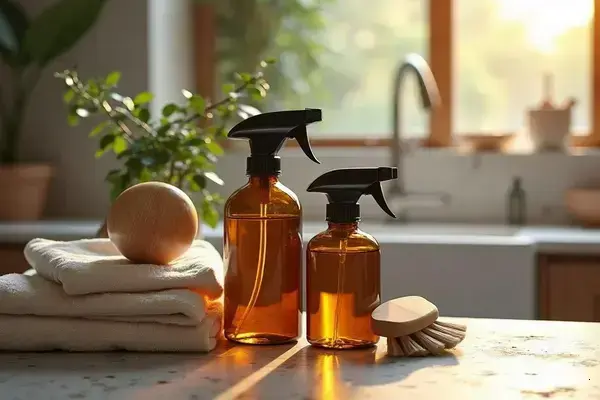
Jumping into spring cleaning without the right gear? That’s where most people get stuck. The truth is, having everything handy saves so much time — and you won’t abandon the project halfway. Each product in your cleaning caddy serves a purpose, from cutting through dust to keeping delicate fabrics fresh and bright.
- Microfiber cloths: Trap fine dust without scratching surfaces. Ideal for electronics, mirrors, and even baseboards.
- HEPA vacuum cleaner: Catches allergens and tiny debris regular vacuums leave behind. Especially useful for bedrooms with carpet or pets.
- All-purpose cleaner: A safe, residue-free spray is essential for everything from light switches to doorknobs.
- Laundry detergent and stain remover: Perfect for freshening sheets, comforters, and pillow shams — look for a fragrance-free, dermatologist-tested formula if you have sensitive skin.
- Gloves and face mask: Protects your hands and lungs from harsh chemicals and dust clouds.
- Broom and dustpan: Useful for quick pickups under beds and beside nightstands where vacuums struggle.
💡 Pro Tip: Fill a portable caddy with your essentials before you start. According to the American Cleaning Institute, a prepared toolkit boosts cleaning efficiency by up to 30% — no wasted steps!
Need a quick checklist you can print and stick to your closet door? Here’s a sample you can personalize:
| Supply | Purpose | Pro Tip |
|---|---|---|
| Microfiber Cloths | Dusting, polishing, electronics | Wash regularly to avoid spreading grime |
| HEPA Vacuum | Carpets, rugs, allergy control | Vacuum slowly for deeper dust pickup |
| Laundry Detergent | Sheets, blankets, textiles | Choose unscented for sensitive skin |
In practice: Picture this scenario — you’ve started your cleaning, but your vacuum bag is full and you’ve run out of wipes. You lose steam, and suddenly, that fresh bedroom looks half-done. It’s totally avoidable with a supply checklist that fits your routine and your room’s quirks.
And this is exactly where most people make the most common mistake…
Step-By-Step Guide For Deep Cleaning Your Space
Where do you even start when your bedroom feels like a puzzle of dust bunnies and overlooked corners? The trick to a satisfying deep clean isn’t speed—it’s sequence and strategy. If you’ve ever spent hours tidying with little to show for it, you’re not alone. Professional cleaners and the American Cleaning Institute both agree: tackling each area in a logical order makes all the difference.
Before you dive in, make sure these items are handy:
- HEPA filter vacuum
- Microfiber cloths
- Mild detergent
- Baking soda
- Stain remover spray
- Clean pillowcases and sheets
- Step stool
- Strip the Bed: Remove all bedding—sheets, pillowcases, duvet covers—and toss them in the wash using your favorite gentle detergent. This clears the way for a real clean.
- Declutter Surfaces: Clear off desks, nightstands, and shelves. Sort what stays and what heads to donation or storage. Less stuff means less dust.
- Dust High to Low: Start with ceiling fans and light fixtures (use your step stool for safety), then move to the tops of furniture. Microfiber traps particles that traditional dusters kick into the air.
- Vacuum Thoroughly: Hit the floors, under furniture, and your mattress using a HEPA filter vacuum—especially important if you have allergies.
- Spot Clean Stains: Baking soda and a stain remover spray handle most little disasters on rugs or upholstery. Wait 10–20 minutes, then vacuum again.
- Wipe Surfaces: Finish by cleaning door handles, light switches, and drawer pulls with a disinfecting cloth or all-purpose spray.
- Remake the Bed: Only after the room is sparkling, make your bed with fresh linens. It’s the final reward and instantly elevates the space.
💡 Pro Tip: Always finish with the floors—otherwise, you’ll end up cleaning twice. The CDC notes that regular vacuuming with HEPA filtration significantly reduces dust mite populations and airborne allergens.
In practice: Picture this scenario—a Saturday afternoon, sunlight through open windows, music on. You work step-by-step, each task visible, each finish line motivating. Ninety minutes later, your bedroom actually feels different. And, worth noting, you’ll sleep better knowing no surface or corner was left behind.
But there’s one detail most owners completely overlook until it’s too late…
How To Declutter And Organize Like A Pro
What’s really stopping your bedroom from feeling like a calm retreat? Nine times out of ten, it’s hidden clutter—those piles in the closet, messy drawers, or a nightstand stacked with forgotten odds and ends. Decluttering isn’t just about throwing things out; it’s about making every space intentional and easy to maintain.
Here’s the thing: professional organizers use a systematic approach. Fast results are great, but sustainable order is better. The National Association of Productivity & Organizing Professionals recommends sorting by category, not location. It’s a game-changer, especially when you’re staring down a room that overwhelms you.
- Empty Everything Out: Take items out of drawers, bins, and closets. It feels like chaos—but trust me, it works.
- Sort by Category: Make quick decisions: keep, donate, toss. Be honest. If you haven’t used or worn it in a year, it’s probably time to say goodbye.
- Group ‘Like with Like’: Put similar items together—jeans with jeans, books with books, tech accessories with tech accessories. This step simplifies storage.
- Create Dedicated ‘Zones’: Assign every remaining item a clear home. Closet organizers, drawer dividers, or under-bed storage boxes can make a huge difference here.
- Maintain the System: Challenge yourself to put things back in their zones for one week. You’ll quickly see which areas need tweaking.
💡 Pro Tip: Use transparent storage bins and label them—according to the Container Store, clear containers cut daily search time by up to 40% because you can see contents at a glance.
| Organization Tool | Best For | Drawback |
|---|---|---|
| Fabric Bins | Shelves, closets, soft items | Not stackable, can sag |
| Drawer Dividers | Separating socks, accessories | May move around if unanchored |
| Under-Bed Boxes | Out-of-season clothes, shoes | Can collect dust if not sealed |
In practice: Picture this scenario—a Saturday morning, you empty your drawers onto the bed. It looks wild, but by noon, you’ve donated a bag, found that missing charger, and your space feels noticeably lighter. That’s pro-level organizing, and yes, it’s totally doable—one step at a time.
But what actually works to keep your bedroom organized for the long haul might surprise you…
Maintaining A Fresh, Inviting Bedroom All Season
You’ve given your bedroom a true spring reset—but how do you keep that feeling going long after the first weekend? Maintenance is what separates temporary tidiness from a truly inviting bedroom that lasts all season. It’s less about one big effort and more about building small habits you barely notice once they’re part of your daily rhythm.
- Make Your Bed Each Morning: It’s simple, takes under two minutes, and instantly helps your bedroom look pulled together.
- Open Windows for 10 Minutes: Daily fresh air dramatically lowers indoor pollutants and moisture—a recommendation straight from the Environmental Protection Agency.
- Laundry Rhythm: Aim to wash sheets and pillowcases once a week (or more often if you have allergies) to keep allergens and bacteria at bay.
- Nightly ‘Reset’: Spend five minutes every night returning stray items to drawers or bins. This prevents the gradual build-up of clutter and keeps your surfaces clear.
- Monthly Mini-Check: On the first weekend of each month, scan for dust bunnies, stains, or anything out of place—from windowsills to the backs of doors.
💡 Pro Tip: Keep a compact caddy with dusting cloths, fabric spray, and a lint roller tucked in your closet. According to The Good Housekeeping Institute, having these essentials within reach increases your chance of sticking to your cleaning goals week after week.
In practice: Imagine walking in from a long day. The room smells clean, there’s no pile-up on the dresser, and you’re greeted by a crisp, freshly made bed. Those tiny routines—opening the window, straightening up for just five minutes, fresh sheets—add up to a space that feels as good in July as it did right after your big spring clean.
| Routine | Frequency | Purpose |
|---|---|---|
| Make Bed | Daily | Instant visual order |
| Laundry | Weekly | Reduce allergens, freshen space |
| Mini-Check | Monthly | Catches dirt before it builds up |
Small steps, repeated consistently, make the biggest difference over time.
Your Most Restful Bedroom Awaits
If you take just one thing from this guide, let it be this: a spring cleaning bedroom checklist gives you back control, calm, and healthy sleep—all with just a little planning and a few smart habits. From gathering essentials, to deep cleaning step by step, to real organizing tricks and routine upkeep, you’re set up for success right at home.
Think back—before, your space might’ve felt overwhelming or just plain exhausting. Now? You know where to start, what to use, and how to keep it fresh all season. It’s not about perfection. It’s about progress you can feel every single day. Small actions lead to huge changes. Your bedroom is ready to support your best rest yet.
Which part of your spring cleaning bedroom checklist feels most satisfying—or most challenging? Share your plans (or struggles!) in the comments—we’re cheering you on.