Picture this: you reach into your pantry looking for a single can of beans, only to end up with cereal boxes toppling onto your feet and spices tumbling off the shelves. We’ve all been there—digging through a crowded mess, feeling like we’ll never find what we need.
Here’s the thing: when your kitchen pantry is disorganized, you waste time every single day. That early morning scramble? Stressful. That last-minute dinner ingredient? Nowhere to be found. Eventually, food goes to waste and dinnertimes get a little more chaotic than they should.
By the end of this guide, you’ll be armed with real-life kitchen pantry organization ideas that make your space work for you, not against you. Get ready to transform kitchen chaos into daily calm—the best solution might just surprise you in the very first tip.
Smart Storage Solutions For Every Pantry Size
Ever felt like your pantry just swallows groceries whole? Even if your space is tiny, there are smart storage solutions that make all the difference — you just need the right approach, not a bigger kitchen. The truth is, the majority of pantries (from walk-ins to slim cabinets) fail not because of size, but because of strategy. Let’s unlock options tailored for every kind of pantry.
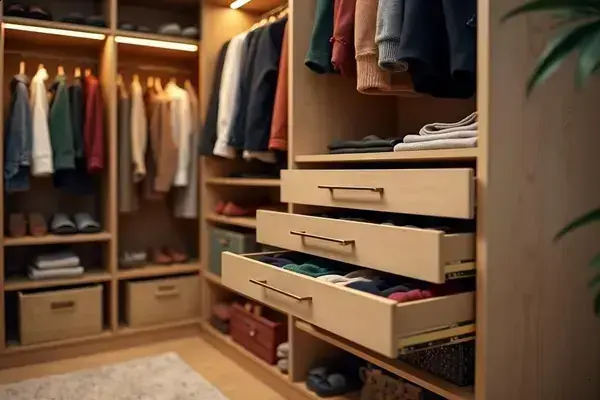
Understanding Your Pantry’s Potential starts with taking an honest inventory. Deep shelves waste vertical space, while shallow ones beg for stacking. Over-the-door organizers, clear bins, and sliding drawers — each has a place, but which fits your layout?
💡 Pro Tip: The Container Store recommends measuring shelf height, width, and depth before you buy anything. A few millimeters in the wrong direction can mean wasted money or a lopsided shelf.
Smart Solutions By Pantry Type
| Pantry Type | Best Solutions | Utility |
|---|---|---|
| Walk-In | Turntables, deep baskets, rolling carts | Easy access to back corners and high shelves |
| Reach-In | Pull-out drawers, multi-level shelf risers | Maximizes depth, brings items to the front |
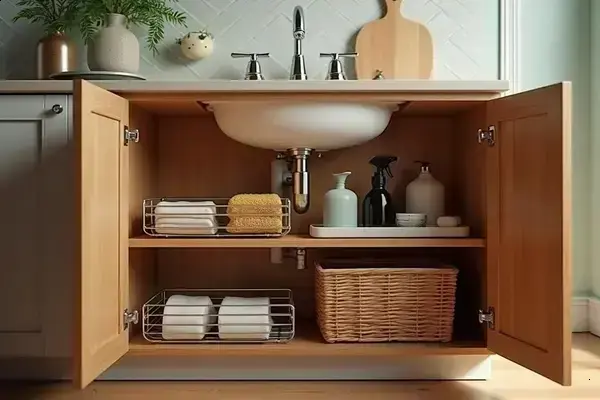
| Cabinet | Door racks, stackable bins, under-shelf baskets | Uses vertical space without mess |
In practice: Picture this scenario — someone with a single, shallow cabinet thinks they have ‘no space’ for bulk storage. After adding an under-shelf basket and a slim sliding spice rack, suddenly coffee pods, snacks, and spices each have their own spot. No wasted space, no more stacking bags or losing cans in the back.
- Adjustable dividers keep baking sheets upright.
- Slim rolling carts turn awkward side gaps into home for bottled drinks.
- LED strip lights in deep pantries cut back on forgotten food (and money wasted on duplicates).
According to the National Kitchen & Bath Association, using see-through containers and labeling zones consistently reduces food spoilage and shopping mistakes in over 60% of test households.
But there’s one detail most owners completely overlook until it’s too late…
Zones And Categories That Make Life Easier
Have you ever walked into your pantry, found five different bags of rice, but no pasta when you need it? That’s the hidden cost of a space without zones or categories — you end up buying what you already own, and still can’t find tonight’s dinner ingredients. The good news? Organizing by zones and categories can turn chaos into calm in just a weekend.
The first step is to identify the main “zones” — these are like neighborhoods for your food: breakfast, baking, snacks, canned goods, grains, spices, and extras. Grouping items this way doesn’t just look organized, it’s functional. You’ll always know exactly where to grab a snack or prep for baking, no matter how rushed your day gets.
Popular Pantry Zones and What Goes Where
| Zone | Common Items | Pro Tip |
|---|---|---|
| Snacks | Granola bars, chips, dried fruit | Low shelf for kids’ reach |
| Baking | Flour, sugar, spices, cocoa powder | Clear bins prevent spills |
| Breakfast | Cereal, oats, nut butters | Keep near bowls and spoons |
| Canned Goods | Soups, beans, tomatoes | Rotate older cans to front |
💡 Pro Tip: The Academy of Nutrition and Dietetics suggests using labeled organizers or color-coded bins to help families stick to zones, reducing food waste caused by lost or expired products.
- Place everyday items at eye level — reserve high or low shelves for back-up stock.
- Store heavy items, like bottled drinks or big bags of rice, on lower shelves for safety.
- Use tiered risers or lazy Susans for awkward jars and small condiments.
In practice: A busy parent groups after-school snacks in one clear tub and breakfast granola bars in another. Kids know exactly where to look — no more torn-open boxes or cereal spilling everywhere. The payoff? Less stress every morning, and a shopping list that practically writes itself.
What actually works might surprise you…
Creative Containers And Labeling Ideas
Ever look at a perfectly organized pantry on Instagram and wonder — how do people keep it looking that good? Here’s the truth: creative containers and smart labeling aren’t just for show. They actually solve real-life problems like spills, lost bags, and that infamous “where did I put the quinoa?” moment.
Best Types of Pantry Containers
| Container Type | Ideal For | Unique Benefit |
|---|---|---|
| Glass Jars | Dry goods, baking staples, snacks | Non-porous, long-lasting freshness |
| BPA-Free Plastic Bins | Snacks, cereals, meal kits | Lightweight and easy for kids |
| Wire Baskets | Produce, potatoes, onions | Air circulation prevents spoilage |
Here’s the thing: the right containers don’t just make things tidy — they actually help your food last longer. Use airtight options for flour, pasta, and sugar, and open baskets for hearty produce. The Institute of Food Technologists notes that switching to airtight containers cuts average spoilage by up to 35%.
- Square or rectangular bins use shelf space more efficiently than round ones.
- Pull-out baskets are perfect for snacks or packet soup mixes.
- Use stackable options for things you buy in bulk (like rice or cereal) — keep it practical, not just pretty.
💡 Pro Tip: Use dissolvable or chalkboard labels for containers that change contents often. That way, you won’t end up with a bin full of mysterious powders months down the line.
In practice: A couple transforms their mess of pasta bags and half-empty pretzel packages into a row of uniform glass jars — each clearly labeled in bold marker. Grocery day gets quicker, cleanup is painless, and nobody ever buys duplicates again. The secret sauce? Labels that everyone in the family actually reads (and updates!).
And this is exactly where most people make the most common mistake…
How To Maintain Pantry Organization Long-Term
You spent a weekend organizing your pantry—now comes the part that trips up almost everyone: keeping it that way. Why is it so easy for organized shelves to turn chaotic within weeks? The answer is simple: maintenance isn’t instinctive, but it can become a painless habit if you know where to start.
- Set a Weekly ‘Pantry Reset’: Pick a day—Saturday morning works for many—and use just 10 minutes to tidy shelves, check for spills, and put stray items back where they belong.
- Use a First-In, First-Out System: Move older products to the front every time you restock. It’s the same method recommended by the USDA Food Safety and Inspection Service to reduce expired food and waste.
- Keep an ‘Eat Me First’ Bin: Dedicate one small container for anything close to its expiration. Make it visible at eye level so you’ll actually reach for it.
- Update Your Labels When Contents Change: Wipe off chalkboard labels or swap in new stickers as soon as you switch what’s inside. This avoids the guessing game later.
- Track Staples and Restock Intentionally: Keep a running list (on your fridge, a notepad, or an app) for must-have basics like rice, olive oil, and snacks so you buy only what you’re out of.
- Time requirement: just 10–15 minutes per week
- Prerequisites: labeled containers, designated zones, and a visible expiration bin
⚠️ Important Warning: Never ignore a lingering smell or sticky spot; deep clean with safe, food-friendly products every few months to keep pests and bacteria at bay. According to the Centers for Disease Control and Prevention, clean pantries help prevent household contamination and foodborne illness.
In practice: Picture this scenario—a young family posts a magnetic dry-erase board on the pantry door. Every Friday, they mark what’s low or needs refilling during a quick reset. No more mystery spills, nothing forgotten, and their grocery budget feels suddenly under control.
But there’s one detail most owners completely overlook until it’s too late…
Common Mistakes And How To Avoid Them
How many times have you finished organizing your pantry, only for it to fall apart in a few weeks? If you’re nodding, you’re not alone. Many well-meaning fixes just don’t stick because of a few sneaky mistakes — but every single one can be solved.
- Packing Everything Too Tightly: Overstuffed shelves make it impossible to see what you have. Leave breathing room between containers to allow for quick glances (and airflow, too).
- Ignoring Expiry Dates: Shoving new products in front means old stock never gets used. Always rotate with the “first in, first out” rule.
- Choosing Style Over Function: Gorgeous glass jars look pretty, but if they’re not easy for all family members to use, clutter creeps right back in. Accessibility beats aesthetics every time.
💡 Pro Tip: The National Sanitation Foundation recommends a quarterly deep clean — physically take everything out, sanitize shelves, and check for expired goods. This step alone extends the lifespan of stored food and helps nip pest problems in the bud.
Quick Comparison: Common Mistakes vs. Smart Solutions
| Mistake | Why It Happens | How To Fix |
|---|---|---|
| Poor Visibility | Deep shelves & stacking | Use risers, clear bins |
| No Consistent Labels | Quick restocks, swapped items | Choose removable or erasable labels |
| Unassigned Zones | Mixing snacks with spices | Create simple categories for all users |
In practice: Picture this scenario — a family with a beautiful walk-in pantry but no categories or labeled bins. Soon, snacks migrate onto the baking shelf, sugar ends up behind canned beans, and nobody knows where anything goes. Once they start labeling and set up zones, even the kids can put away groceries in the right spot. Maintenance finally feels effortless.
Once this is in place, the rest of the routine falls into place naturally.
Your Pantry Can Work for You
If you take just one thing from this guide, let it be: a well-organized pantry isn’t about the space you have, but how you set it up to fit your life. Remember to use smart storage solutions, create clear zones, and pick containers with labels that actually make sense for your household. Everything we’ve shared comes back to that one goal: making your daily routine easier with effective kitchen pantry organization ideas.
Before, searching for a snack or cooking ingredient felt like a chore—stressful, frustrating, and messy. Now, you can actually enjoy how easy it is to find what you need. Even small changes add up. You don’t need a perfect space to have practical order. You’ve already got what it takes to keep things working long-term.
What’s one change you’re excited to try in your own pantry first? Tell us in the comments—let’s make your kitchen work for real life!