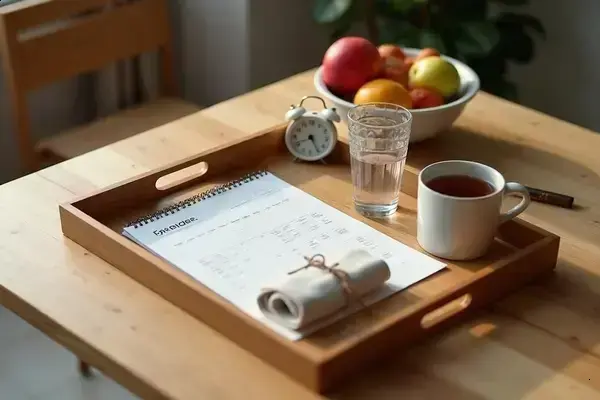
Ever watched the clock tick closer to bedtime while little shoes disappear and homework remnants are scattered across the living room? For parents, school nights can sometimes feel like a marathon—one wrong turn and suddenly everything’s running behind.
It’s that creeping sense of chaos: kids forgetting their backpacks, last-minute forms surfacing at 8 p.m., pajamas still missing in action. Small hurdles snowball into bigger stress for everyone, and before you know it, patience wears thin. Even when you try, sticking to something that works every night just feels impossible.
Here’s the thing: by the time you finish reading, you’ll have a real-life, practical strategy for building a school night routine families can count on—not just survive. Ready for evenings that run smoother (and mornings that don’t start frantic)? Let’s dive into what makes all the difference after dinner.
Why School Night Routines Matter For Families
Why do some evenings feel like a sprint while others glide by with surprising ease? The answer almost always boils down to one thing — whether or not your family has a reliable school night routine. You might’ve heard routines described as “life savers,” but what does that actually mean for a household with school-age kids?
Think of a strong routine as your behind-the-scenes coach. It’s not just about getting pajamas on by 8:00 p.m.; it’s about shifting the atmosphere from scattered to centered, so everyone (parents included) gets a shot at a peaceful evening and a prepared morning.
💡 Pro Tip: The National Sleep Foundation highlights that kids with consistent evening routines not only fall asleep faster but also perform better in school and report lower evening stress. That’s proof a little consistency goes a long way.
Picture this scenario: it’s Thursday at 6:30 p.m., and your child suddenly remembers they’ve got a science project due tomorrow. The materials are… somewhere. Dinner’s on the stove, and you’re juggling work emails. If there’s no predictable routine at home, that small forgotten detail can turn into a household crisis — lost materials, rushed dinners, and a late bedtime spiral.
The Ripple Effect of Routine
- Predictability: Kids thrive on knowing what’s next; it lowers anxiety and helps them transition between activities.
- Time Management: A set routine makes space for homework, downtime, family connection, and actual rest. It’s a teaching tool for responsibility — not just a schedule.
- Morning Prep: What happens the night before determines the mood (and often the punctuality) of the next morning. Clothes ready, bags packed — no more frantic scavenger hunts at sunrise.
| Benefit | Short-Term Impact | Long-Term Value |
|---|---|---|
| Lower Stress Evenings | Calmer mood, fewer arguments | Stronger family relationships |
| Better Sleep | Fall asleep faster, more restful | Improved academic focus |
| Greater Independence | Kids remember tasks on their own | Life skills for adulthood |
The American Academy of Pediatrics recommends setting routines as early as preschool. They emphasize: routines aren’t rigid restrictions — they’re safety nets that breed confidence and self-regulation.
But there’s one detail most parents completely overlook until it’s too late…
Must-Have Supplies To Prepare Ahead
Ever found yourself digging through the laundry at bedtime, desperately searching for your child’s favorite pajamas or a missing library book? The truth is, most evening chaos comes from not having essential school night supplies ready to go—when kids don’t know where things are, neither do you.
So, what supplies really make a difference? You don’t need expensive gadgets or a Pinterest-perfect setup, but you do need a short, reliable list of basics. Here’s what tops the list for families who want quieter evenings and smoother mornings:
- Backpack Station: A designated drop zone for backpacks, folders, and newsletters—reduces lost paperwork.
- Clean Pajama Sets: Rotated and ready every night. Fuzzy or lightweight based on season.
- Homework Supplies: Pre-sharpened pencils, glue sticks, colored pencils—and, honestly, extras for lost items.
- Lunchbox & Water Bottle: Washed and left out to dry each night, so mornings aren’t a rush.
- Alarm Clock: Battery-powered or analog—kids learn to take responsibility for their own wake-up time.
- Bedtime Book: Easy-to-grab stories support wind-down for elementary kids.
💡 Pro Tip: Place a small lidded bin near the entry for tomorrow’s “must-not-forget” items (gym shoes, permission slips, even favorite plush toys). According to the National Association of School Psychologists, visual organization systems dramatically lower lost-item stress and increase student independence.
Supply Prep Table: What to Set Out & Why
| Item | Purpose | Best Storage Spot |
|---|---|---|
| Backpack | Keep homework, notes, and folders organized | Hook by entry or bedroom chair |
| Clean pajamas | Promotes quick and cozy bedtime | Top dresser drawer or folded on bed |
| Water bottle & lunchbox | Ensures ready hydration and snack prep | Kitchen counter (washed) |
In practice: picture this scenario—a family sets up a low shoe rack near the door with a slotted basket for each child. By 7 p.m., everyone places their folders, books, lunchbox, and tomorrow’s outfit in their basket. By morning, nothing’s missing and no one’s asking, “Where’s my stuff?” Not fancy. Just effective.
But what actually works, and what just sounds organized on paper? Next, you’ll uncover the step-by-step night routine that ties these supplies together and really moves the needle for busy families…
How To Create A Step-By-Step Night Routine
Wondering how to actually get from “I wish we had a routine” to “We have a routine that works”? You’re not alone—most families trip up in the transition from hopeful intentions to a consistent school night ritual. Creating a step-by-step evening routine isn’t about perfection; it’s about building reliable momentum, one small action at a time.
- Pick a Consistent Start Time: Decide when your routine begins each night, whether it’s after dinner or a set hour. Consistency cues your child’s brain to “switch gears.”
- Prep What’s Needed: Gather homework supplies, clean pajamas, tomorrow’s outfit, lunchbox, and water bottle before anything else. This should take just 5-10 minutes if you’ve got a supply hub in place.
- Homework or Reading Block: Encourage your child to tackle academic tasks next. No TV, no screens—just schoolwork or independent reading for 20-30 minutes. It plants the seed for focused study habits.
- Prepare for the Next Day: Pack the backpack, lay out shoes, slip permission forms into folders, and make sure the lunch is either packed or planned. This clears stress for everyone come morning.
- Wind Down Together: End with a calming activity—whether it’s showers, brushing teeth, or ten minutes with a bedtime story. Let this be the “signal” the day is done.
- Essentials: Backpack, homework, clean pajamas, toothbrush, bedtime book, water bottle, lunchbox.
💡 Pro Tip: Use a visual checklist (magnetic whiteboard or printable chart by the bed) so your child can track small wins nightly. The American Academy of Pediatrics reports that visual routines strengthen kids’ sense of accomplishment and reduce nagging by 32% in school-aged children.
In practice: imagine your 8-year-old walks to a corner cubby and checks off each step—packing a snack, getting their favorite PJs, then placing their book by the pillow. You monitor, not micromanage. It feels less like work and more like a relay, where every step gets you one leap closer to a peaceful night.
And this is exactly where most people make the most common mistake…
Ways To Keep Kids Motivated And On Track
How do you get your child to stick to a night routine, night after night—especially when motivation dips or distractions creep in? It’s a real question for busy families. Rewards can work, but the real win comes from blending structure with just enough freedom so kids feel like the routine is theirs, not just another rulebook.
- Use Visual Progress Tools: Simple sticker charts, magnetic boards, or a laminated checklist your child marks each night can make the process tangible. Kids love seeing their progress in real time.
- Break Tasks Into Mini-Challenges: Instead of “finish everything before 8:00,” aim for bite-sized wins: pajamas on in five minutes, brush teeth before your favorite song ends, etc.
- Let Them Choose: Offer two or three options for things like pajamas, storybooks, or the order of steps. It’s a classic motivation booster: choice equals buy-in.
- Incorporate Micro-Rewards: Tiny incentives—extra bedtime story, a scratch-and-sniff sticker, five minutes of flashlight reading—work better than big bribes. Keep the focus on effort, not only results.
- Model and Celebrate: When you acknowledge their wins out loud (“You got your bag ready all by yourself!”), it reinforces positive behaviors and makes them proud to continue.
💡 Pro Tip: According to the Child Mind Institute, routines that include natural breaks for connection—a hug before bed, a special joke—see 27% higher follow-through rates compared to routines focused only on tasks. Connection counts.
Motivation Strategy Comparison
| Motivation Method | Strengths | Potential Pitfalls |
|---|---|---|
| Sticker Chart | Visual progress, immediate reward | Kids lose interest if overused |
| Choice Boards | Boosts ownership and autonomy | Too many options can overwhelm |
| Nightly Celebrations | Strengthens emotional bonds | Can lose impact if not sincere |
In practice: Picture this scenario—a second grader, wrestling with tiredness, brightens when she sees five shiny stars on her chart. She chooses her favorite ‘unicorn’ pajamas herself and dances down the hallway for storytime (knowing that high-five from Dad is waiting). Motivation isn’t forced—it’s baked into every step.
But what actually throws these best-laid plans off track may surprise you…
Troubleshooting: When Routines Go Off The Rails
What do you do when your well-crafted school night routine flat out fails? It happens to everyone—illness, late after-school activities, or just a “nope” mood from your child. The truth is, even the best routines get derailed sometimes. Being prepared for imperfection is just as important as any checklist on your wall.
- Start with Flexibility: Don’t panic if your routine slips. Kids are very attuned to stress. Pause, reset, and focus on one or two core pieces of the routine (like brushing teeth and packing bags) rather than forcing every single step.
- Spot the Pattern, Not the Fluke: If the routine goes off track two nights in a row, it’s likely a pattern—not just a bad day. Take note of sleep schedules, snack timing, or sources of new stress.
⚠️ Important Warning: If your child’s nightly struggles seem to go on for weeks—impacting sleep or school success—reach out to a pediatrician or school counselor. Persistent sleep disruption or major evening meltdowns can signal underlying issues worth professional support, as noted by the American Academy of Pediatrics.
Common Routine Troubles & Adjustments
| Problem | Signs | Practical Fix |
|---|---|---|
| Endless Stalling | “One more snack?” “I’m not tired!” | Use a timer for each task; give a five-minute wrap-up warning |
| Forgetful Mornings | Panic about missing items at sunrise | Set a visual reminder (whiteboard or checklist by the bed) |
| Sibling Arguments | Fighting over shared supplies or bathroom time | Stagger routine steps or create individual supply baskets |
In practice: Picture this scenario—a parent, exhausted after a late soccer game, skips several parts of the established routine but makes sure her son brushes teeth and places his backpack by the door. The next day, they reset—no guilt, no drama. Instead of focusing on what went wrong, they celebrate what they salvaged and tweak the schedule for future late nights.
The right habits in place now make everything easier from here.
Nights That Start Your Day Right
If you take just one thing from this guide, let it be: a school night routine families can count on comes from simple prep, kid-friendly motivation, and always bouncing back when things slip. With the right routines, evenings aren’t chaos—they’re calm.
Think back to the stress and last-minute scrambles that used to rule your nights. Now, you’ve got the tools for smoother bedtimes, organized mornings, and kids who actually look forward to winding down. One step at a time is all it takes. You really can do this.
Which part of your school night routine do you want to fix first—or what’s already working for your family? Tell us in the comments, and help other parents get inspired!