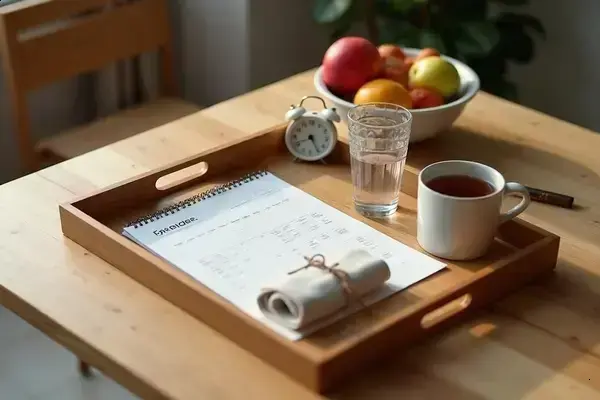
Ever have one of those days when you crawl into bed and realize—you never truly paused, not once? No time to check in, breathe, or notice how you felt. It’s way more common than you think, and honestly, it takes a toll.
When self care slips through the cracks, your energy lags. Stress becomes second nature, and even little things start to pile up. You might find yourself snapping at loved ones or losing focus, all because you just didn’t get a moment to reset—sound familiar?
By the time you finish reading, you’ll have a self care routine checklist that’s actually doable, built for real life, not some perfect ideal. Ready to see how just a few practical moves can change your entire day?
What Self Care Means In Real Life
You hear the phrase “self care” everywhere—on podcasts, inside wellness newsletters, even printed on bath bomb packaging. But what does it actually mean when you peel away the buzzwords? Too often, self care feels like just another item on your to-do list. It’s easy to lose sight of the real purpose.
At its core, self care is the set of choices and habits that help keep your mind and body resilient. Think beyond green juices and meditation apps: evidence from the National Institute of Mental Health points to basics like regular sleep, daily movement, and meaningful downtime as essential self care pillars. These aren’t luxury add-ons. They’re how you recharge before life demands more from you again.
💡 Pro Tip: Start by noticing what drains you most—then experiment with one small “energy add” each day. Over time, these tiny tweaks have a bigger impact than all-or-nothing overhauls.
Picture this scenario: you’ve had a stacked week at work, running late most nights, skipping meals, sleep getting patchy. By Friday, you’re foggy and snappy at everyone—including yourself. True self care isn’t just treating yourself to a facial on Saturday. It’s calling a time-out midweek, putting your phone on silent for 20 minutes, or walking outside at lunch. Small, real-world actions make a world of difference.
- Physical Care: Hydrating regularly, moving your body gently (a stretch counts!), and prioritizing sleep.
- Emotional Care: Naming your mood honestly, seeking support from someone you trust, and setting healthy boundaries.
- Environmental Care: Tidying just your bedside table, diffusing a scent you love, or letting in more sunlight.
In fact, the World Health Organization recognizes personalized self care as foundational for long-term well-being—regardless of your age or routine. Don’t feel pressure to do everything perfectly. It’s about what works for you, right now.
| Self Care Type | Real-Life Examples | Benefits |
|---|---|---|
| Physical | Going to bed 20 min earlier | Improved focus & energy |
| Emotional | Journaling after stressful days | Mood clarity, less overwhelm |
| Environmental | Opening windows in morning | Brighter mood, fresher air |
What actually works might surprise you…
Morning Habits That Set The Tone
Ever felt like your day was off before it really started? The truth is, how you begin your morning can quietly impact every decision and feeling that follows. Morning routines aren’t just rituals—they’re a foundation for energy, focus, and emotional balance.
If you’re thinking, “But I’m not a morning person,” you’re not alone. According to the Sleep Foundation, even small, consistent habits practiced within the first hour of waking can reduce stress hormones and help stabilize your mood for hours. The best part? These don’t require waking up at dawn or mastering meditation on day one.
💡 Pro Tip: Lay out your water bottle, running shoes, or journal before bed. That way, your environment gently nudges you into healthy habits before your brain can talk you out of them.
- Don’t hit snooze—get sunlight quickly. Open your curtains, step outside, or even sit near a window. Sunlight helps set your body clock (circadian rhythm), boosting alertness naturally.
- Hydrate right away. Drink a full glass of water before anything else. Overnight, you lose moisture, and hydration helps jump-start your metabolism.
- Move—gently or otherwise. Try five minutes of stretching, a brisk walk, or a yoga flow. According to the Mayo Clinic, morning movement increases dopamine, putting you in a better mood (and making coffee taste even sweeter).
- Pick one mindful moment. You could journal one sentence, try a simple breathing exercise, or just sip tea without distraction. This sets a calm, intentional tone.
- Fuel with real food. Think protein, fiber, unprocessed carbs. Oatmeal with nuts or eggs on toast will help you avoid energy crashes—plus, it’s brain fuel.
- Glass of water
- Comfortable walking or exercise shoes
- Breakfast staples (plain oats, eggs, fruit)
- Notebook or journal
- Access to natural light (open windows or outdoor space)
In practice: picture yourself dragging out of bed, overloaded with mental clutter. By swapping mindless phone scrolling for two minutes of slow breathing and a tall glass of water, you’ll notice your mind sharpening and energy bouncing back—even before breakfast.
| Habit | Best Time | Why It Works |
|---|---|---|
| Open curtains | Within 5 min of waking | Resets circadian rhythm |
| Hydration | First thing | Keeps energy up |
| Movement | Within 30 min | Boosts mood & focus |
And this is exactly where most people make the most common mistake…
Building Restful Evenings For Recovery
Ever tossed and turned, mind buzzing, only to wake up more tired than when you went to bed? You’re not alone. The truth is, your evening routine matters just as much—and sometimes even more—than how you start your day. Evening self care is all about recovery and winding down, letting your body and brain recharge so you don’t run on empty all week.
If you’re wondering what actually works for restful evenings, science points to consistency and cues. The National Sleep Foundation recommends developing a wind-down ritual—something that tells your system, “It’s time to rest now.” This could be as simple as dimming the lights, switching to herbal tea, or reading a few pages of a novel (not your emails—seriously!).
💡 Pro Tip: Block blue light one hour before bed with screen filters or by switching to warm ambient lamps. Even brief phone scrolling can leave your brain chasing adrenaline when you’d rather be drifting into sleep.
- Lower the lighting: About 90 minutes before bed, turn down overheads and use lamps or candles. This tells your body to start producing melatonin, making it easier to feel sleepy.
- Prep for tomorrow: Set out your clothes, write tomorrow’s top task, or pack your lunch. It only takes 5-10 minutes and keeps late-night stress away.
- Release the day: Try a gentle stretch, list three things you’re grateful for, or listen to calming music for ten minutes.
- Get off your devices: Silence alerts, plug your phone in away from your bed, and swap screens for a physical book or soothing ritual—like sipping chamomile tea.
- Choose a set bedtime: Stick within the same 30-minute window every night. Consistency is more impactful than a one-time ‘early night’ sprint, according to leading sleep studies.
In practice: imagine you’ve just finished watching an intense show at 11:30 PM, scrolling social media in bed. Compare that to a night when you swapped TV for soft music, stretched, and kept screens out of reach. Your mind settles—sleep comes easier, and waking up doesn’t feel like a chore.
- Soft lamp or candle
- Paper journal and pen
- Herbal tea bags (chamomile, lemon balm)
- Stretch band or yoga mat
- An actual book (not an e-reader)
| Evening Habit | Sleep Impact | Pro Tip |
|---|---|---|
| Dim Lighting | Natural melatonin boost | Use smart bulbs for gradual dimming |
| Device Detox | Reduces mental overstimulation | Put chargers away from bedside |
| Gentle Movement | Relaxes muscles | Try 5-minute guided stretch |
But there’s one detail most people completely overlook until it’s too late…
Mini Self Care Check-Ins Throughout Your Day
How often do you actually pause at work or between errands to ask yourself, “How am I doing right now?” Most people speed through each day on autopilot—ignoring tension, hunger, or even that tight chest feeling until it boils over. Mini self care check-ins solve this by bringing awareness and reset moments right into your busy schedule.
According to the American Psychological Association, frequent mindfulness touchpoints throughout the day can noticeably reduce stress and prevent burnout—no hour-long yoga session required. Think of check-ins as mental and emotional tune-ups: small, intentional actions that realign you when you’re drifting off course.
💡 Pro Tip: Set a recurring silent alarm or calendar notification every 2–3 hours as your check-in cue. When it goes off, pause for one full minute to tune in, not out.
- Physical: Notice if you’re thirsty, hungry, slouching, or tense. Stand up, stretch, or refill your water.
- Emotional: What are you feeling at this moment—frustration, boredom, hope? Naming it helps process it.
- Mental: Are you scattered or focused? Jot a quick note on what’s taking up brain space.
- Environmental: Is your workspace cluttered or stuffy? Open a window or clear one surface.
In practice: imagine cranking out emails all morning before realizing you’re thirsty and your back aches. By simply pausing every few hours (even for one minute), you recalibrate and lower your risk of mid-afternoon crashes—no fancy self care subscription required.
- Pause. Stop what you’re doing, close your eyes (if possible), and take a breath.
- Scan. Notice your body, your mood, your thoughts—30 seconds, tops.
- Adjust. Fix whatever tiny thing you can: posture, a glass of water, a one-minute stretch.
- Reflect. Ask: “What’s the kindest thing I could do for myself right now?”
- Resume. Go back to your task with a reset mind and body.
| Check-In Type | Example Mini-Action | Lasts (min) |
|---|---|---|
| Physical | Neck roll & water break | 2 |
| Emotional | Label your mood | 1 |
| Mental | Quick brain dump note | 3 |
| Environmental | Open window or tidy desk | 2 |
And this is exactly where most people make the most common mistake…
How To Personalize Your Own Self Care Checklist
So how do you create a self care routine that actually sticks—one that feels like a relief, not a burden? Here’s the thing: the most effective self care checklist is the one tailored to your real schedule, your actual needs, and your unique sources of stress and joy. No two routines should look exactly the same.
According to the Centers for Disease Control and Prevention, the individuality of self care practices matters. If you’re a night owl, forcing a 5 AM jog probably won’t last. If you crave quiet but sign up for loud group workouts, stress can increase. Customization, not comparison, is key to sustainable habits.
💡 Pro Tip: Use a printable or digital checklist template as your base—then swap in, strike out, or rearrange until it fits your flow. Templates offer structure, but your needs should steer the daily details.
Step-By-Step: Building Your Own Checklist
- List your must-haves. What habits genuinely help you recharge—physically, mentally, emotionally? Jot them all down.
- Identify your main stress points. Is your energy low in the afternoon? Do you skip breaks when busy? Make a note.
- Pick a realistic frequency. Assign some habits to “daily,” others to “weekly,” and mark a few as “as needed.”
- Create a simple grid or template. You can use a journal, habit tracker app, or printable from sites like Mayo Clinic or mindfulness centers.
- Try it for one week. At week’s end, review what worked (and what didn’t)—adjust as needed, guilt-free.
- Pocket notebook or notes app for tracking
- Printable checklist or grid (keep it on your fridge, desk, or mirror)
- Pen, colored stickers, or highlighters for marking progress
- Self care apps (like Finch or Headspace) if you’re a digital tracker
| Checklist Element | Daily | Weekly |
|---|---|---|
| Hydrate (8 cups+) | ✔ | |
| Stretch/Move | ✔ | Yoga class |
| Gratitude reflection | ✔ | |
| Digital detox evening | ✔ | |
| Connect with friend | ✔ |
Picture this scenario: you print your new checklist, hang it by your coffee maker, and realize checking off “hydrate” and “connect” feels genuinely rewarding—not like a chore. Over time, your routine adapts to changes instead of breaking at the first sign of stress. The right habits in place now make everything easier from here.
Your Self Care, Your Way
If you take just one thing from this guide, let it be: your self care routine checklist should be built on what recharges you — not a rigid idea of “perfect.” We’ve covered why small daily habits matter most, how mini check-ins can transform your mood, and why rest is just as personal as movement.
Before, self care probably felt confusing or even out of reach. Now you’ve got easy steps, real examples, and tools to make your own routine. That means less guilt, less guesswork — and more freedom to focus on what really matters to you. Consistency wins out over intensity. You can do this.
Which habit or tip are you most excited to add to your day? Share your plan in the comments — your story could inspire someone else too!