Ever feel like your kid’s closet is a never-ending puzzle? Clothes don’t fit where they should, and every time you open it, it’s a whirlwind of chaos. It’s a mess that drags down mornings and racks up stress like bills.
When closets aren’t organized the right way, it’s more than just clutter. You waste precious minutes digging for outfits, and your kids might get frustrated or lose their independence getting dressed. It can turn a simple routine into a daily battle.
By the end, you’ll have clear, age-appropriate strategies to transform any kid’s closet into an easy-to-use space. These how to organize kids closets tips are practical and designed to grow with your child — making mornings smoother and your life a little easier. Let’s get started by understanding what each age group really needs.
Understanding Different Age Groups And Their Needs
Have you ever thought about why organizing a toddler’s closet feels so different from tackling a teenager’s? It’s not just about size — their needs, abilities, and routines change dramatically as they grow. Understanding these differences means you’re not just shuffling clothes around, but creating systems that actually work for them.
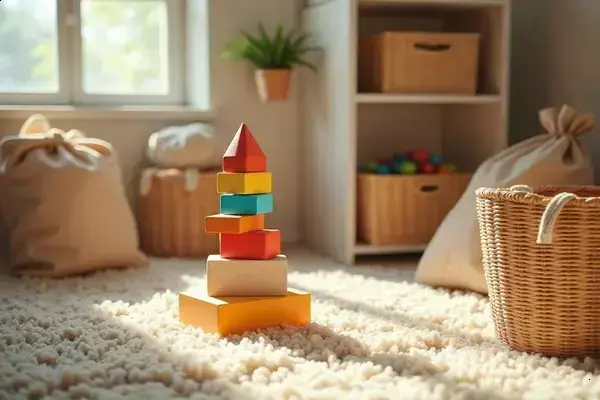
For infants and toddlers, accessibility is key. They don’t have the dexterity or understanding to manage complex setups. Low shelves with baskets for toys and clothes work wonders here. As kids hit preschool years, color-coded bins and labels with pictures help them identify their belongings, fostering independence. By the time your child is school-age, they start managing more complex wardrobes — uniforms, sports gear, school supplies — all needing distinct spaces.
In practice: imagine setting up two closets side by side — one for a 3-year-old, another for a 10-year-old. The younger child’s closet has soft, reachable bins, while the older’s includes separate sections for jeans, jackets, and backpacks. This isn’t just convenience; it molds habits early on, encouraging responsibility and self-care, which the American Academy of Pediatrics highlights as vital for development.
| Age Group | Key Needs | Recommended Closet Features |
|---|---|---|
| 0-3 Years (Toddlers) | Easy access, simple organization, safety | Low shelves, labeled baskets, soft storage bins |
| 4-7 Years (Preschool) | Visual cues, autonomy encouragement | Picture labels, color-coded bins, reachable rods |
| 8-12 Years (School Age) | Segregated spaces for diverse items | Sectioned shelves, hooks, shoe cubbies |
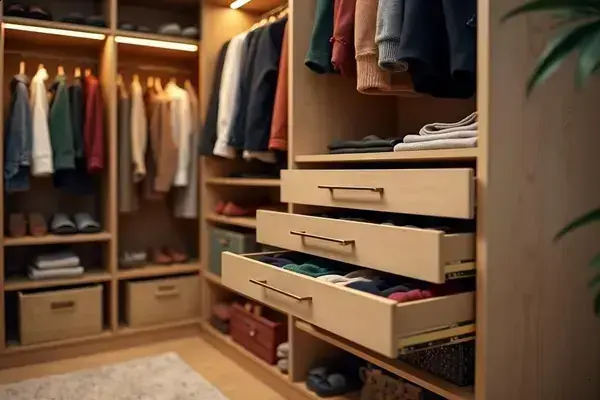
| 13+ Years (Teenagers) | Personal style, privacy, larger capacity | Adjustable rods, full-length mirror space, drawers |
💡 Pro Tip: Tailoring closet setups to developmental stages not only reduces clutter but also builds crucial life skills, according to child development experts.
But there’s one detail most owners completely overlook until it’s too late—the importance of evolving systems that grow as your child does…
Creating Simple Storage Solutions For Toddlers
How do you build a closet system for toddlers that actually makes life easier—not harder? Toddlers are curious little explorers, but they also have short attention spans and limited ability to reach high places. The truth is, their closet needs to be both practical and safe, designed so they can participate with minimal frustration.
Start by focusing on accessibility. Open shelves or bins placed at their eye level invite toddlers to grab and return clothes on their own. Avoid complicated hangers or doors they can’t open easily. Bright, pastel-colored baskets or fabric bins make sorting fun and help build early organizational skills.
- Choose Toddler-Safe Bins and Baskets: Select soft, lightweight storage that won’t tip over. Fold clothes into stacks they can see.
- Use Clear Labels with Pictures: Pair images with words to guide recognition and encourage independence.
- Install Low Hanging Rods: If hanging clothes, rods should be positioned low enough for easy reach without climbing.
- Keep Frequently Used Items Front and Center: Prioritize everyday outfits and favorite toys here.
- Safety Is Essential: Avoid sharp edges and secure any tall furniture to the wall, following safety guidelines from the U.S. Consumer Product Safety Commission.
Picture this scenario: A mother arranges her toddler’s pajamas and daily clothes in color-coded bins placed within arm’s reach. Her daughter beams with pride grabbing her own clothes each morning—a small win that adds up to big confidence. Experts agree that fostering self-help skills at this stage promotes autonomy and reduces morning meltdowns.
💡 Pro Tip: Rotate seasonal clothes to keep the closet uncluttered and more inviting, making storage manageable year-round.
What actually works might surprise you—simple adjustments like these change how toddlers interact with their space and lay a foundation for lifelong habits…
Organizing School-Age Kids Closets Effectively
Ever wonder how to keep a school-age kid’s closet functional and clutter-free despite the whirlwind of activities, sports gear, and school supplies? The truth is, this stage demands a more structured approach—one that balances accessibility with clear organization. You want your child to find everything they need quickly but also foster responsibility for their own space.
School-age kids juggle multiple items daily—from uniforms and casual wear to backpacks and gym shoes. The goal here is segmentation. Dividing the closet into zones—like “Everyday Clothes,” “Sports Gear,” and “School Supplies”—makes a huge difference in daily routines and reduces morning chaos.
Step-By-Step Setup For School-Age Closets
- Clear Out and Sort: Start with a full closet declutter. Remove outgrown items and separate by category.
- Use Adjustable Shelving: Shelves that can shift height-wise accommodate growing needs and varied items.
- Install Hooks and Cubbies: Perfect for backpacks, hats, and shoes, keeping them off the floor and easy to grab.
- Label Everything Visibly: Use simple, kid-friendly labels—whether words or pictures depending on reading level.
- Create a Homework Station Nearby: Not in the closet, but adjacent—for school supplies that kids need every day.
Picture this scenario: Sarah, a working mom, transformed her 9-year-old’s closet into distinct zones and added labeled hooks for equipment. Mornings are now smoother because her son grabs his gear without constant reminders—giving both relief and extra time to enjoy breakfast. The U.S. Department of Education emphasizes that environment plays a key role in children’s organizational habits, making setups like these more than just tidy spaces—they’re developmental tools.
💡 Pro Tip: Rotate seasonal clothes regularly to maintain space and avoid overwhelming your child with too many options daily.
But there’s one detail most owners completely overlook until it’s too late—how to maintain this system consistently over time…
Tips For Teenagers To Maintain Their Closet
Why is it so tricky for teenagers to keep their closets tidy? The truth is, teens crave autonomy over their space but often lack the organizational skills or motivation to maintain order. Your role? Help them find a system that respects their independence while keeping clutter at bay.
Here’s the thing: teenagers juggle a growing wardrobe with changing styles, extracurricular gear, and personal items. Closet organization at this stage becomes more about customization and flexibility. Adjustable shelves, modular storage, and full-length mirrors invite personalization and make the space both functional and inviting.
Step-By-Step Guide To Helping Teens Maintain Their Closet
- Collaborate On the Setup: Let teens choose storage solutions that reflect their style and preferences—whether it’s colorful bins or sleek drawers.
- Incorporate Multi-Purpose Storage: Modular drawers, hanging organizers, and rolling carts accommodate everything from clothes to gadgets.
- Establish a Seasonal Wardrobe Rotation: Encourage switching out clothes to keep only in-season items easily accessible.
- Use Visible Labels or Color Coding: Even subtle systems help teens quickly find what they need.
- Schedule Regular Closet Check-Ins: Set aside time monthly for teens to reassess and declutter.
In practice: Emma, a busy high schooler, embraced a closet makeover with bins for sports gear, a section for casual wear, and a dedicated shoe rack. She now spends less time digging for outfits and more time focused on school and friends. According to organizational experts at the National Association of Professional Organizers, involving teens in decision-making improves their commitment to maintaining order.
💡 Pro Tip: Make closet maintenance a part of a teen’s weekly routine, tied to a reward system or personal goal, boosting motivation and consistency.
And this is exactly where most people make the most common mistake—underestimating how important teen buy-in is for closet success…
Tools And Accessories To Enhance Closet Organization
What if you could instantly boost your child’s closet functionality with just a few smart tools? The truth is, the right accessories don’t just maximize space — they also make organization intuitive and fun for kids of all ages. When thoughtfully chosen, these tools can transform chaos into calm.
Think adjustable rods, hanging organizers, stackable bins, and drawer dividers — all designed to optimize every inch of closet space. But how do you decide which to use? It really depends on your child’s age, their belongings, and how much involvement you want them to have.
Comparison of Popular Closet Organizers for Kids
| Accessory | Best For | Key Features |
|---|---|---|
| Adjustable Rods | All ages | Customizable height, easy installation, maximizes hanging space |
| Hanging Shelves | School-age to Teens | Multiple compartments, lightweight, keeps items visible |
| Storage Bins & Baskets | Toddlers to School-age | Encourages sorting, labeled options, fabric or plastic varieties |
| Drawer Dividers | Teens | Separates small items, customizable sizes, keeps drawers neat |
In practice: A mom of twins used stackable bins and hanging organizers to separate school uniforms from casual wear. The kids quickly learned where everything belonged, and mornings became less frantic. The National Association of Professional Organizers highlights that durable, kid-friendly materials extend the life and usefulness of accessories, giving families better value over time.
💡 Pro Tip: Opt for clear or light-colored bins to help kids visually locate their belongings and maintain order independently.
What actually works might surprise you — sometimes a few simple tools create the biggest impact in making closet organization stick…
Your Kids’ Closets Can Thrive
If you take just one thing from this guide, let it be: tailoring closet organization to your child’s age and needs makes all the difference. From accessible bins for toddlers to modular systems for teens, smart setups ease daily routines and build good habits. Remember, the right tools and consistent upkeep keep things running smoothly.
Before reading this, closet chaos was probably routine — frantic mornings and endless searching. Now, with thoughtful systems in place, mornings can be calmer and independence flourishes. Your kids gain confidence managing their things, and you get a tidier home. It’s a win-win, and you’re more capable than you realize.
Which age group’s closet are you planning to organize first? Share your goals or challenges in the comments — we’d love to hear from you!