
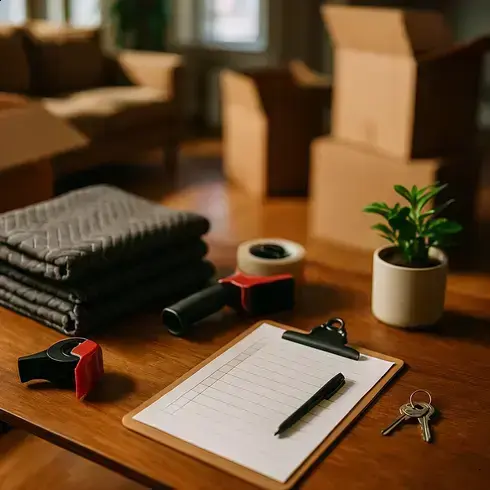
Boxes on the floor, tape stuck to your elbow, and it’s 10 p.m. in a half-packed apartment—sound familiar? You’re googling moving checklist printable free while trying to remember if you canceled the gym.
Without a clear plan, tiny tasks snowball. Miss the utility cutoff and you pay double. Forget deposits, keys, pet records, or parking permits—cue fees, delays, and stress that lingers for weeks. Moves drain time and money when details slip.
Here’s the fix: a simple timeline, step-by-step tasks, and a moving checklist printable free you can print, share, or keep on your phone. By the end, you’ll know what to do eight weeks out, on moving day, and after you land. Let’s kick off with early prep.
Smart Prep Eight Weeks Out: Audit, Budget, Declutter
Eight weeks out is where savings happen. Start wide—then get specific. You’re not just packing; you’re auditing what stays, what goes, and what each decision costs in time and dollars.
Here’s the thing: a clear audit plus a simple budget beats any last-minute hustle. You’ll avoid oversized trucks, surprise fees, and storage you don’t need—because you’ve trimmed the load first and priced the move with real numbers.
💡 Pro Tip: Before requesting quotes, confirm a mover’s USDOT number with the Federal Motor Carrier Safety Administration and ask for a written binding estimate with line-item fees.
What You Need First
- Calendar (digital or wall) for key dates.
- Measuring tape for furniture and doorways.
- Bathroom scale or luggage scale for box weight checks.
- Inventory sheet or spreadsheet (rooms, items, keep/sell/donate).
| Budget Category | Typical Range | Notes |
|---|---|---|
| Movers/Truck Rental | $300–$2,000+ | Varies by distance, stairs, fuel surcharge, labor hours. |
| Packing Supplies | $60–$250 | Boxes, tape, bubble wrap; buy in bulk to cut cost. |
| Valuation/Insurance | $0–$400 | Released value vs. full value; know the difference. |
| Storage/Containers | $100–$350/mo | Climate control and access fees can add up. |
Eight-Week Action Steps
Time required: 3–4 hours this week. Prerequisites: move window, rough home size, and a first-pass inventory.
- Audit every room and tag items: keep, sell, donate, recycle (30–60 minutes).
- Measure big pieces and key doorways—note tight turns or elevators (20 minutes).
- Draft a budget with ranges, then cap each line to avoid creep (20 minutes).
- Request three quotes: one full-service, one truck rental, one portable container (30 minutes).
- Schedule declutter days and pick donation drop-offs per local guidelines (EPA has rules for hazardous waste) (15 minutes).
In practice: picture this scenario—Jade is moving a 2-bedroom. After weighing six heavy boxes of books, she sells half the lot, drops one furniture piece, and shrinks the truck class. Net result? A smaller quote and easier load-in.
If you’re signing long-term storage contracts or choosing valuation coverage, consider a brief review with a consumer advocacy group or legal professional.
What actually works might surprise you—most people skip one tiny measurement that wrecks their moving-day timeline…
Packing Like A Pro: Room-By-Room Strategy And Supplies
Packing like a pro isn’t about speed—it’s about sequence. You’ll move faster by packing smarter, not harder, with clear zones, labels, and weight caps that protect your back and your stuff.
Here’s the thing: boxes break when heavy items meet big cartons. Keep loads under 40–50 lb—OSHA’s lifting guidance favors lighter, closer-to-body carries—and you’ll cut injuries and crushed corners.
💡 Pro Tip: Set a house rule: heavy items in small boxes, light items in large boxes. Color-code by room, number each box (e.g., 1 of 6), and snap a photo of electronics before unplugging so reassembly takes minutes, not hours.
Essential Supplies
- Small, medium, and large moving boxes; plus dish pack cartons and a wardrobe box with bar.
- Bubble wrap, foam pouches, and packing paper (newsprint-free to avoid ink transfer).
- Stretch wrap, furniture pads, and mattress bags (queen/king sizes labeled).
- High-hold packing tape with a tape gun; painter’s tape for temporary holds.
- Bold black markers and color-dot labels; zip-top bags for hardware and cables.
Worried your kitchen will swallow days? Start with lids, platters, and seasonal tools first—leave daily dishware for last. And don’t pack aerosols, fuels, or bleach; many movers follow U.S. Department of Transportation hazardous materials rules and won’t load them.
Room-By-Room Strategy
Begin at the low-traffic rooms. Momentum builds fast and clutter stays contained—no more tripping over orphan boxes in the hallway.
- Office: Back up drives, coil cables, and bag monitor screws; use small boxes for books to keep weight sane.
- Bedrooms: Load a wardrobe box per closet; fold bulky sweaters into medium boxes with a soft layer on top.
- Living Room: Wrap art in glassine or bubble, then slide into dish packs vertically; pad TV corners well.
- Kitchen: Plates go on edge, not flat; line dish packs, add dividers, and fill voids with paper to stop rattle.
- Bathroom: Seal caps with tape, bag liquids, and cushion with towels you’re already moving.
Picture this scenario: Mia labels the living room “Green,” numbers boxes 1–8, and logs contents on her phone. On unload day, movers stage every green box in minutes—and setup takes an hour, not an evening.
And this is exactly where most people make the most common mistake—ignoring the one supply that prevents crushed corners on move day…
Moving Day Game Plan: What To Do Hour By Hour
Moving day runs on rhythm. You win by batching tasks, locking the route, and staging boxes so nothing backtracks—every minute saved compounds by afternoon.
Here’s the thing: small delays get pricey fast. Miss the elevator slot or a no-parking permit and you risk accessorial charges, overtime rates, and frayed nerves before lunch.
- Day-of kit: phone charger, water/snacks, basic tools, tape/markers, meds, pet supplies, cash for meters/tolls.
- Paperwork: bill of lading, inventory list, COI if your building needs it, ID, parking permit.
- House setup: doorstops, floor runners, and a clear path to the exit.
Hour-By-Hour Schedule
| Time | Action | Why It Matters |
|---|---|---|
| 7:00 AM | Stage zones by room; set aside essentials bag | Faster load order and zero last-minute hunting |
| 8:00 AM | Crew walk-through; confirm valuation (released vs full-value) | Aligns liability coverage before a single box moves |
| 9:00 AM | Sign and photo-copy the bill of lading; verify box count | FMCSA requires clear documentation; protects your claim path |
| 11:00 AM | Mid-load check: fragile items padded; paths clear | Prevents corner crush and trip hazards |
| 1:00 PM | Crew break + tip guidance (optional) | Short reset keeps the pace safe and steady |
| 3:00 PM | Final sweep: photos of empty rooms, meter readings, thermostat off | Proof for landlord/utility disputes and deposit returns |
| 5:00 PM | Arrival window: direct box placement by color/number | Unloads straight to target rooms—no hallway clutter |
⚠️ Important Warning: Before loading, match names/addresses on the bill of lading and inventory numbers to your labels. According to OSHA guidance, keep loads close to the body, team-lift heavy items, and use dollies to reduce strain.
In practice: your crew arrives at 8:10. You hand over a COI for the building, tape doorstops in place, and call out “Kitchen—yellow, Bedroom—blue.” By 9:05, the bill of lading is signed, and the heaviest pieces roll first while boxes fill remaining space—tight, safe, efficient.
What actually works might surprise you—most delays start with a tiny oversight in the first five minutes…
After Arrival: Unpacking, Utilities, And Address Changes
The first hour sets the tone. You’ll breathe easier by claiming three wins fast—beds made, bathroom stocked, and a clear path through boxes. Everything else gets easier when sleep and showers are handled.
Worried about where to start? Triage by function, not by room. Make the beds, plug in lamps, open the “first-night” bin, and stage kitchen basics (kettle, pan, plates). Then unbox by zones—one surface at a time—so clutter never outruns you.
Utilities come next, and speed matters. Flip breakers, test outlets, run hot water, and light gas appliances if required. Take time-stamped photos of electric, gas, and water meters—those images settle billing disputes in seconds. Schedule internet earlier if possible, then place the router high and central for stronger Wi‑Fi, and note any installation fee or equipment deposit.
Address Changes And Timing
Here’s the thing: mail forwarding helps, but it isn’t permanent. USPS Change‑of‑Address forwards most First‑Class Mail for 12 months and Periodicals for 60 days; update senders directly to protect statements, insurance notices, and voter info. The IRS (Form 8822), your state DMV, banks, and insurers expect prompt updates—deadlines vary by state, so don’t wait.
| Organization | When To Update | Key Requirement |
|---|---|---|
| USPS | Day 1–3 | Identity verification; start/stop dates |
| IRS / State Revenue | Week 1 | Taxpayer details (Form 8822) |
| DMV | Within state deadline | Proof of residence; license/registration |
| Banks & Insurers | Week 1–2 | Policy/account numbers for riders and premiums |
In practice: you arrive at 4 p.m., make the beds by 4:30, and snap meter photos at 4:40. By 5, the fridge hums, the router blinks center‑hall, and USPS plus bank updates are queued—no missed bills, no service gaps, no surprise fees.
💡 Pro Tip: When setting up power and gas, ask the utility about a budget billing plan or time‑of‑use rate. The U.S. Department of Energy notes that small shifts—like running laundry off‑peak—can trim monthly costs without changing comfort.
What actually works might surprise you—there’s a tiny placement trick for the router that unlocks smoother streaming in every room…
Free Printable Checklist And Timeline: How To Use It
A good checklist isn’t busywork—it’s your autopilot. The right printable shows what to do, when to do it, and who owns it, so nothing slips through the cracks at 9 p.m.
Here’s the thing: a solid template blends timeline and tasks. Expect dated milestones (8, 6, 4, 2 weeks; moving day; first week), room-by-room to-dos, a supplies tracker, quote log, and an address‑change roster. You’ll update it daily in under five minutes.
💡 Pro Tip: Print two copies—one stays on the fridge, the second rides in a clear sheet protector with a dry‑erase marker. Snap a photo each night so the team sees updates.
Quick Setup
Time: 20 minutes. Prerequisite: confirmed move date and a simple room list.
- Write target dates next to each milestone and set calendar reminders the same day.
- Assign owners by initials for every task—no orphan items, no guesswork.
- Color‑code sections to match your box labels (e.g., Kitchen = Yellow).
- Log quotes with service level, hourly rate, travel time, and any surcharge.
- Start the supplies tally—boxes by size, tape rolls, pads, specialty cartons.
- Create a first‑night bin list (linens, toiletries, chargers, meds) and star it.
Prefer paper, cloud, or notes? Pick the format you’ll actually maintain—and stick with one source of truth.
| Format | Best For | Watchouts |
|---|---|---|
| Printable (paper) | Fridge‑central families; quick hallway checkoffs | Take photos to back up spills or loss |
| Spreadsheet (cloud) | Shared edits; filters for budget tracking | Needs Wi‑Fi and basic sheet skills |
| Notes app | Solo movers; fast voice capture | Easy to lose structure without sections |
In practice: you keep the printable at eye level and cross‑check box counts with your inventory. When the crew arrives, you reference the quote log and confirm coverage terms with the foreman—FMCSA guidance says keep the bill of lading and inventory with you, not packed. The result? Fewer “who has that?” moments and cleaner handoffs.
Once your checklist is visible, assigned, and updated daily, everything else falls into place naturally.
Your Move, Under Control
Plan eight weeks out with an audit and budget. Pack by room with labels and sane weights. Follow an hour‑by‑hour game plan, then switch utilities and update addresses fast. If you take just one thing from this guide, let it be: keep your plan visible and follow the moving checklist printable free—it turns chaos into clear next steps.
Before, everything felt scattered—overstuffed boxes, missed permits, and late‑night searches for chargers. Now you’ve got simple wins lined up. Beds first. Kitchen basics next. Boxes land in the right rooms, and the router and meters are handled without drama. Small moves, done in order, save time and money.
Which part will you tackle first—the eight‑week audit, the packing zones, or the first‑night setup? Tell us in the comments!

About the Author:
Claire Anne Foster is a home organization enthusiast, lifestyle writer, and the founder of this blog — built for people who want a cleaner, calmer home without spending every weekend doing it.
After years of testing every organization system, planner, and cleaning routine she could find, Claire realized that most advice was either too complicated to maintain or too generic to be useful. So she started creating her own — simple, printable, and designed for real life with real schedules.
Claire is not a professional organizer or interior designer — just someone who genuinely loves a well-organized home and believes that the right checklist or routine can change how your entire week feels. Every resource on this site is practical, tested, and designed to be used — not just pinned and forgotten.
When she’s not writing or reorganizing her pantry for the third time, Claire is testing new meal planning systems, exploring better morning routines, and convincing her family that yes, everything does need a labeled bin.